
Reviewed By: Dr. Raghavender Reddy (Pulmonologist)
Table of Content
- Introduction
- Overview of Chronic Obstructive Pulmonary Disease (COPD)
- Importance of Early Recognition
- Understanding COPD
- Definition and Types (Chronic Bronchitis, Emphysema)
- Mechanisms of Airflow Obstruction
- Signs and Symptoms of COPD
- Persistent Cough
- Shortness of Breath
- Wheezing
- Chest Tightness
- Fatigue
- Respiratory Infections
- Early Detection is Key
- Importance of Timely Intervention
- Diagnostic Tool
Introduction
Chronic Obstructive Pulmonary Disease (COPD) is a progressive lung condition that affects millions of people worldwide. Often underestimated, COPD can significantly impact an individual\’s quality of life. Recognizing the signs and symptoms early is crucial for timely intervention and management. In this blog post, we will delve into the key indicators of COPD and shed light on the importance of seeking professional help.
Understanding COPD
COPD is an umbrella term that encompasses chronic bronchitis and emphysema, both of which obstruct airflow to the lungs and result in breathing difficulties. Here are the common signs and symptoms associated with COPD:
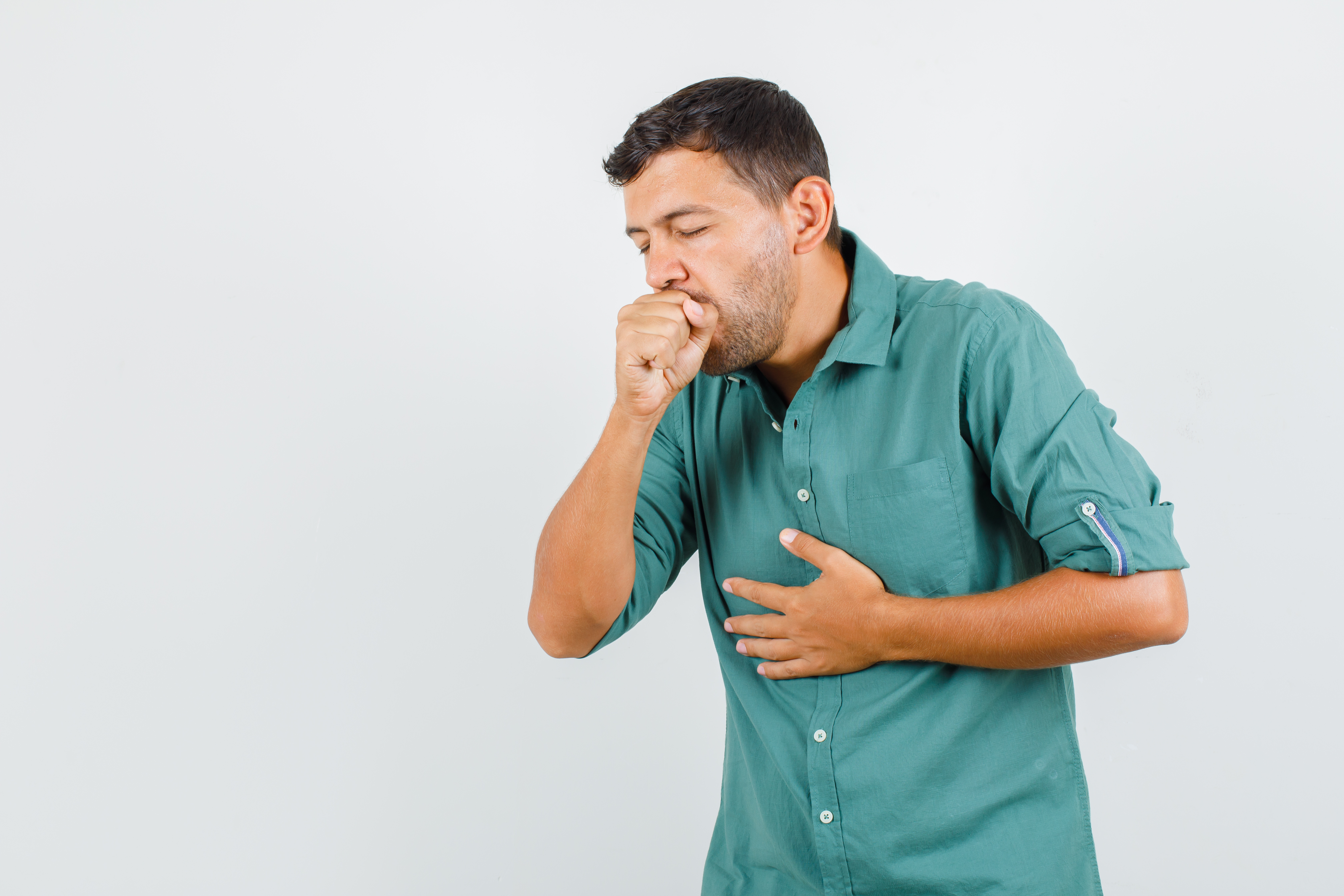
- Persistent Cough: A chronic cough that produces sputum is a common early sign of COPD. It is often mistaken for a \”smoker\’s cough,\” but it can occur in non-smokers as well.
- Shortness of Breath: Feeling breathless, especially during physical activity or even at rest, is a hallmark symptom of COPD. This is due to the airways narrowing and the lungs losing their elasticity.
- Wheezing: COPD can cause wheezing, a high-pitched whistling sound when breathing. This occurs as air struggles to pass through narrowed airways.
- Chest Tightness: Individuals with COPD may experience a sensation of tightness or pressure in the chest, making breathing even more challenging.
- Fatigue: Reduced lung function can lead to decreased oxygen intake, resulting in fatigue and a general lack of energy.
- Frequent Respiratory Infections: COPD can weaken the immune system, making individuals more susceptible to respiratory infections such as bronchitis and pneumonia.
Early Detection is Key
It is crucial to recognize these signs early on and seek medical attention promptly. Early diagnosis allows for better management of the condition and can significantly slow its progression. In addition to traditional diagnostic tools such as pulmonary function tests, chest X-rays, and blood tests, innovative technologies like Medipines AGM100 play a pivotal role in enhancing early detection.
Medipines AGM100
Medipines AGM100 is a cutting-edge device designed to provide real-time, non-invasive monitoring of respiratory parameters. Its advanced capabilities empower healthcare professionals to swiftly and accurately assess lung function, aiding in the prompt identification of COPD. By measuring parameters such as oxygen saturation and respiratory rate, Medipines AGM100 offers a comprehensive view of respiratory health, complementing traditional diagnostic methods.
Advantages of Medipines AGM100:
- Immediate Results: Medipines AGM100 provides instant feedback, allowing healthcare providers to make timely decisions and initiate appropriate interventions.
- Continuous Monitoring: The device offers continuous monitoring, enabling healthcare professionals to track changes in respiratory parameters over time and adjust treatment plans accordingly.
- Non-Invasive Approach: Medipines AGM100 is non-invasive, ensuring patient comfort while delivering accurate and reliable data for a comprehensive respiratory assessment.
Incorporating Medipines AGM100 into the diagnostic process enhances the efficiency and accuracy of COPD detection, contributing to better patient outcomes and improved disease management.
Conclusion
In conclusion, staying vigilant for early signs of COPD and leveraging innovative technologies like Medipines AGM100 can significantly impact the trajectory of the disease. By embracing advanced tools alongside traditional diagnostics, healthcare professionals can enhance their ability to diagnose COPD promptly and provide tailored interventions for improved patient care.
If you or someone you know is experiencing any of these symptoms, it\’s time to take action. Early detection and management can make a significant difference in the progression of COPD. Consult a healthcare professional for a thorough evaluation and personalized treatment plan.
Remember, knowledge is power, and being informed about COPD can help you or your loved ones live a fuller and healthier life. Don\’t let COPD go undetected – act now for a better tomorrow.
Frequently Asked Questions
- What Causes COPD?
- Answer- COPD is typically caused by long-term exposure to irritating gases or particulate matter, most often from cigarette smoke. Symptoms include breathing difficulty, cough, mucus (sputum) production, and wheezing
- What Are the Main Symptoms of COPD?
- Answer- The main symptoms of COPD include shortness of breath, persistent cough with mucus, wheezing, and chest tightness. These symptoms usually worsen over time, especially if smoking exposure continues
- Can COPD Be Prevented?
- Answer- COPD can be prevented by quitting smoking, avoiding secondhand smoke, and staying physically active.
Tune in with our blogs to find more diseases that concern the welfare of our lungs, and solutions that can help us breathe better!

 By
By